As electric vehicles (EVs) continue to grow in popularity, so do the misconceptions surrounding them. While EV technology has advanced significantly in recent years, outdated information and common myths can still make some drivers hesitant about making the switch. Let’s take a closer look at some of the most common EV charging myths and uncover the facts behind them.
Myth 1: EVs Take Too Long to Charge
One of the biggest misconceptions is that EVs take an entire day to charge. In reality, charging times vary depending on the vehicle and charger type. A home charger can often fully charge an EV overnight, while rapid public chargers can provide a significant charge in as little as 20 to 60 minutes.
For most drivers, charging simply becomes part of their routine, much like charging a mobile phone overnight.
Myth 2: You Can’t Charge an EV in the Rain
Many people worry that electricity and water are a dangerous combination. However, EV charging systems are designed with extensive safety features and rigorous testing. Charging points and connectors are fully weatherproof, allowing EVs to be safely charged in rain, snow, and other outdoor conditions.
Myth 3: Public Charging Stations Are Hard to Find
While this may have been true in the early days of electric vehicles, charging infrastructure has expanded rapidly. Public charging points can now be found at supermarkets, shopping centres, motorway service stations, workplaces, hotels, and public car parks. Many smartphone apps also make it easy to locate nearby chargers and check their availability.
Myth 4: Frequent Charging Damages the Battery
Modern EV batteries are designed to handle regular charging. Battery management systems help regulate charging levels and protect battery health. In fact, most manufacturers provide lengthy battery warranties, offering additional peace of mind for owners.
Myth 5: Home Charging Is Complicated
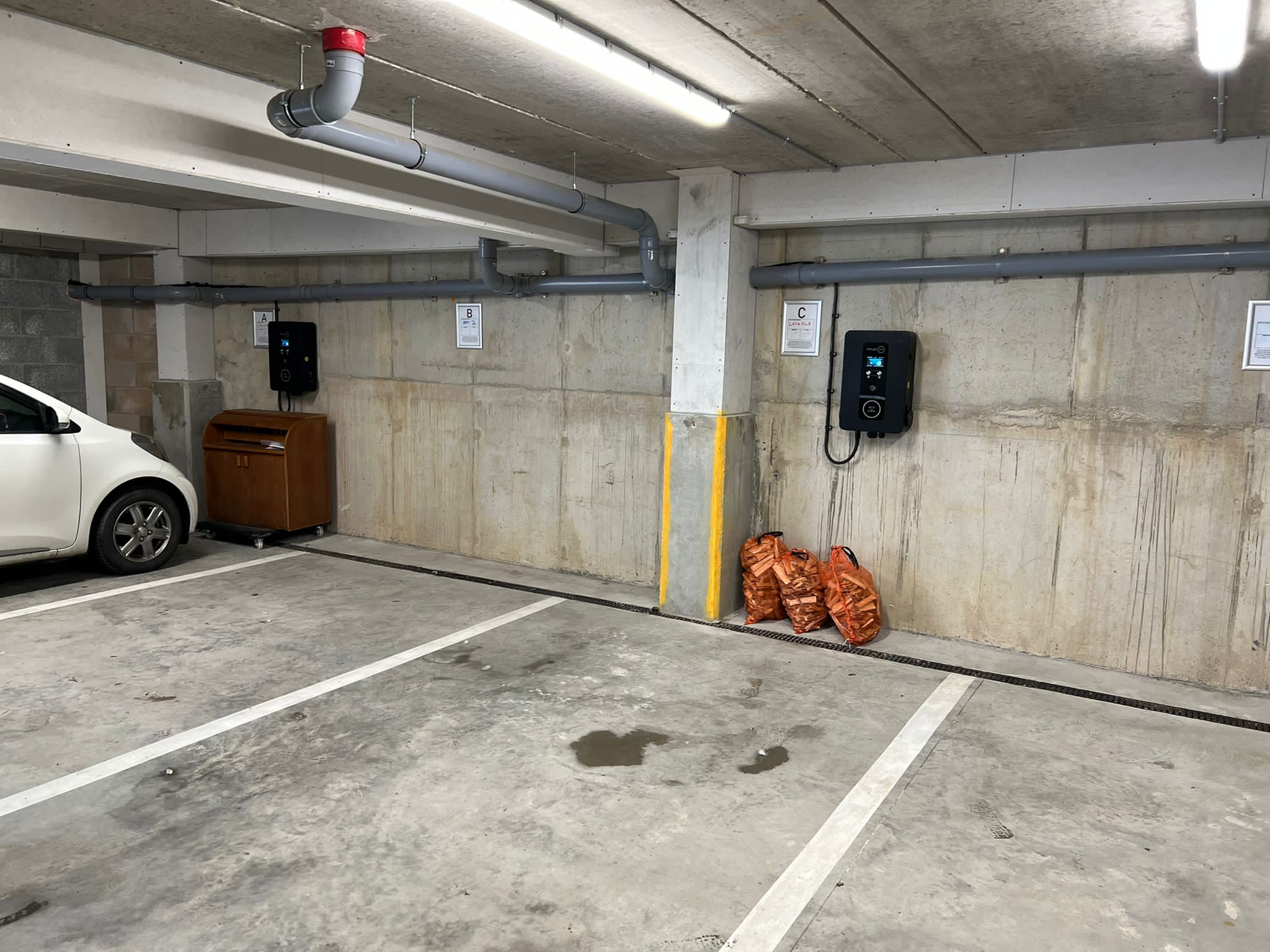
Installing a home EV charger is often a straightforward process when carried out by a qualified installer. Once fitted, charging is typically as simple as plugging in your vehicle when you arrive home and unplugging it when you’re ready to leave.
Myth 6: EV Charging Is Always Expensive
Many drivers assume charging an EV costs more than running a petrol or diesel vehicle. While costs vary depending on energy prices and charging locations, home charging is often significantly cheaper than purchasing traditional fuels, particularly when using off-peak electricity tariffs.
The Reality of EV Charging
As electric vehicle technology continues to improve, many of the concerns surrounding charging are becoming outdated. Modern charging networks, improved battery technology, and convenient home charging solutions have made EV ownership more practical than ever.
By separating fact from fiction, drivers can make informed decisions and better understand how straightforward and accessible EV charging has become.